I still remember the first time I saw a horse slow-moving someone's breathing without a solitary word being talked. It was a chilly early morning, breath hanging in the air like ribbons. A client stood beside a steady bay mare, fingers turned in the halter knot. Her shoulders rested near her ears, jaw secured tight. The mare blinked gradually, softened her muzzle, and released a substantial sigh. The female shocked, after that copied the exhale without implying to. Shoulder blades went down, knees opened, face shade returned. The mare lowered her head towards the woman's chest and the barn went quiet simultaneously. We had done nothing fancy, simply stood and paid attention, yet the nerve system had actually listened to a clear message of safety.
That is the heart of somatic healing with equines. We are not asking the mind to reason its way right into calm. We enlist an extremely delicate, sincere animal that checks out physical states with extraordinary resolution, then responds in such a way that nudges our bodies towards guideline. This is why healing horsemanship and equine-facilitated wellness can be so efficient where talk alone leaves individuals stuck. When equines provide responses, it is instant, embodied, and without judgment.
Why horses help the nerve system settle
Horses endure by detecting changes in the atmosphere and within their herd. They see heart price, muscular tissue tone, stare, foot placement, and the smallest shifts in breath. They co-regulate with each other, matching speed, posture, and attention. When people step into their room, we enter into that loophole. If we show up braced and holding our breath, the majority of horses read it as activation, not as danger, just as energy. Some will certainly mirror and fidget. Others will certainly stop briefly and blink, inviting a reset. The minute we soften, transform our ribs, or breathe deeper, the steed typically addresses with a lick and chew or a decreased neck, classic signals of settling in the equine world.
Many of us carry chronic activation, sometimes from trauma, occasionally from the everyday press of responsibilities. The autonomic nervous system obtains embeded battle, trip, or freeze. Polyvagal concept provides language to this, describing the change in between states of threat and security. But concept only presumes without method. Experiential knowing with steeds locations that theory in the body. You see a gelding change his weight when your shoulders launch. You really feel the brush of his whiskers on your hand when you make eye call that is soft instead of gazing. The body discovers what safety feels like, not just what it is named.
Somatic methods that equate in the barn
I have a tendency to begin with stillness, since tranquility with a 1,000 pound pet is honest. If serenity is not obtainable, we begin with walking. Right here are three usual techniques we adapt for equine-facilitated training and wellness work.
First, orienting. The customer and I stand inside the field, in some cases without an equine initially, and allow the eyes take a trip gradually to every corner, up to the rafters, down to the ground. We notice sounds, temperature level, smells. The equine often ambles closer during this, interested rather than regulated. The nerve system reviews the room, then updates its danger evaluation. We are not disregarding tension, we are making space for it to discover a brand-new area to sit.
Second, breath pacing. I seldom claim take a deep breath. That expression can trigger people that have actually been told to cool down. Rather, we match the steed's breath if the equine is near. You can view the barrel broaden, then soften. If the horse is farther away, we count the size of the exhale with each other. Lots of equines sigh, yawn, or stretch when the exhale lengthens. The responses loophole is right there, visible.
Third, micro-movements. Trauma stays in the joints as long as it performs in thoughts. Gentle circles of the shoulders, rolling the feet via the sand, loosening the jaw, all equate easily to the barn. Steeds tune in to that conditioning and usually step alongside us. I have actually seen a quarter horse mirror a client's head tilt with comic precision, as if to say yes, like that.
We do not require physical touch. Touch is an option, not a responsibility. Some clients really feel controlled by the experience of cleaning a mane, others favor to stand in the same space with a few feet in between. Both matter as purposeful contact.
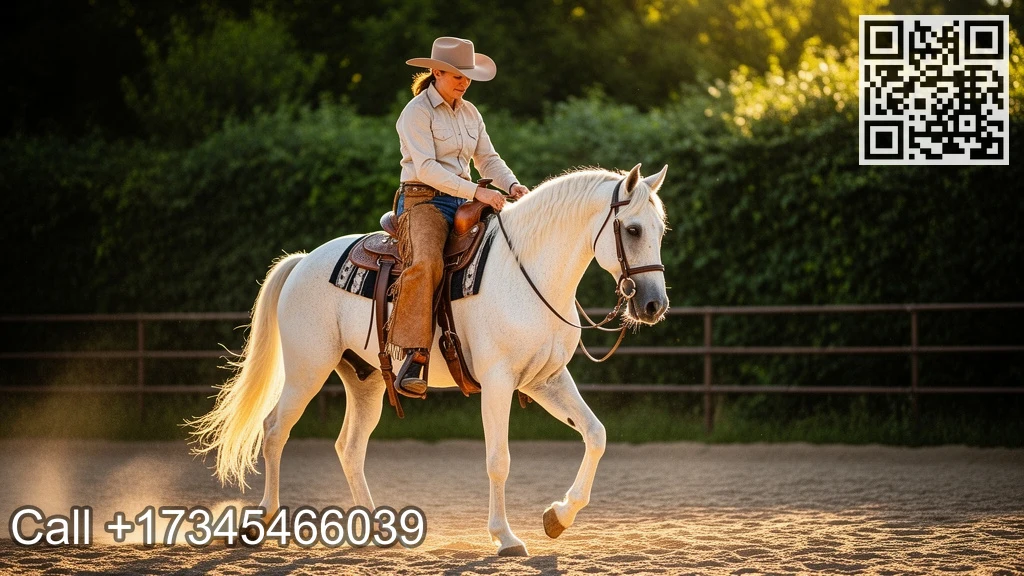
What a session can look like
Sessions vary by provider and by goal. Equine-assisted solutions include a broad area, from psychiatric therapy to discovering and life abilities to adjusted riding. In a normal 60 to 90 min session concentrated on somatic recovery with horses, you might see this rhythm.
Arrival and permission. We check in on power degrees, rest, and any kind of medical notes. We verify convenience with the herd and the day's plan. The equine professional and the psychological health or training service provider coordinate. In my program, at the very least one of us carries a CHH or PATH Intl. Credential, and when psychiatric therapy is included, a qualified clinician leads treatment goals.
Groundwork initially. Mounted work is not needed. In fact, a lot of equine-assisted mentoring and equine-facilitated health occurs on the ground. We may halter a tranquil equine, or merely join an equine in a paddock with lots of room. The client picks where to stand. We give time for the horse to show how it wishes to engage.
A focal workout. Instances consist of leading the equine through cones while maintaining an also speed, asking the equine to quit with a breath sign, or setting up a challenge that represents an existing life stress. The objective is not horsemanship expertise, it is observing what your body does when irritation flares or when connection lands. The equine offers honest responses. If you push, some steeds grow their feet. If you stop and invite, numerous will progression willingly.
Integration. We link body signals to meaning. Possibly the customer felt their hands secure as soon as the equine dragged. We explore whether that mirrors office dynamics or parenting stress. No over-analysis, simply sufficient to develop a bridge between what happened in the sector and what happens outside it.
Closure. Nerves job is not about cracking yourself open then sending you to the parking area raw. We finish with something that feels total, such as a grooming minute the equine clearly enjoys, or a basic walk together with lengthy exhales. If the horse supplies a final sigh, the majority of people entrust to their shoulders 2 inches lower.
Who advantages, and just how to customize the work
Anxiety, chronic stress and anxiety, and sensory overload show up in bodies before they appear in words. For numerous customers, stress and anxiety assistance with steeds offers a controlled space to practice downshifting. People with panic signs take advantage of building interoception, the capacity to feel interior cues with precision and without dread. Steeds are ideal partners for this since they give a living metronome. You can rest next to a tranquil elderly mare and feel your own pulse resolve to match hers.
For kids and teenagers with attentional differences, ADHD equine learning support blends motion and emphasis. Asking a steed to stop at a barrel making use of a clear body signal demands timing, impulse control, and planning, yet it feels like a video game. I have actually seen a 12 years of age count strides in between posts, getting mathematics technique and vestibular input without the workdesk battle. We change jobs every few minutes to match interest patterns, after that stretch period as capability grows.
For those with sensory handling distinctions, Alternative therapy for sensory obstacles can include cleaning with numerous textures, strolling on various footings, and discovering to determine when enough sensory input has actually been reached. A steed's layer offers deep stress that some customers find comforting. The barn soundscape is layered, yet foreseeable. With training, customers learn to ask for changes, such as a quieter horse or a smaller room, constructing self-advocacy together with regulation.
Families searching for an autism equine discovering program must try to find service providers who comprehend both the strengths and https://jaspercwek999.lowescouponn.com/week-by-week-healing-regular-equine-assisted-solutions-year-round the support requirements of autistic customers. The most effective programs accept special rate of interests, utilize clear aesthetic framework, and respect stimming as a tool. I remember a teenager who loved patterns. We established ground poles in details series, after that let him organize brand-new ones for the steed to navigate. He saw immediacy of feedback better than any kind of adult that day, discussing why a zigzag calmed the gelding more than a straight line.
Groups can benefit too. Team structure with equines strips away workplace manuscripts. An equine does not respect your title. Groups should work with nonverbally, remain knowledgeable about spatial borders, and repair service ruptures on the fly. When a team of supervisors attempted to pack a mock feed sack onto a tarpaulin drawn by a horse, they learned more concerning their interaction voids in 20 mins than in 2 months of conferences. That is the natural toughness of equine-assisted activities for learning.
Safety and principles before technique
Good programs prioritize welfare for both horse and human. Safety and security begins with matching the appropriate horse to the appropriate task. Not all equines take pleasure in close human get in touch with, which is great. We select animals with tranquil personalities, stability, and option in their work. Selection issues since approval is a regulation tool for steeds too. If a horse steps away repetitively, we listen. If an equine offers consistent approach, ears soft, eyes relaxed, we proceed.
We likewise address humans. Clear clinical testing helps in reducing risk. Current blasts, unpredictable heart problems, and specific drugs that influence equilibrium may eliminate mounted job. Foundation remains available and equally as effective. For trauma survivors, we stay clear of shocks and respect no as a complete sentence. Equine-assisted services consist of both treatment and non-therapy offerings, and it is necessary to combine the ideal credentialing with the need. When psychotherapy is indicated, try to find accredited medical professionals partnered with knowledgeable horse professionals. When training and skills practice are the goal, equine-assisted training or equine-facilitated coaching is appropriate. The terms can seem similar, yet the extent and training differ.
How equines offer feedback that speak therapy cannot
I worth excellent talk treatment, and I commonly refer clients to it. Yet there are patterns that change faster when a horse remains in the loop. Control is a large one. I worked with a client that apologized regularly. She said sorry to me, to the horse, to the wind. When we established a boundary for the equine, asking him to take one step back for room, she murmured the cue and eyed me for approval. The steed did not move, then he licked and chewed while staying put. We exercised claiming please go back in a clear voice, after that waiting. The third time, the equine went back and dropped his head. The customer burst right into rips, then giggled. No lecture can have instructed that details nervous system change. The horse only responded when her body lined up with her request.
Another example originated from an expert who checked departures in every space. He did not like being complied with. In the sector, the equine matched his shoulder line. If he tensed and quickened, the steed wandered behind him, a classic adhering to placement. We increased awareness of that stress and he experimented with turning to the side, after that inviting the horse up to walk side by side. This felt safer for him, and the horse remained there. Gradually, this client reported walking right into crowded locations with one shoulder soft, a support he had practiced numerous steps next to a gelding.
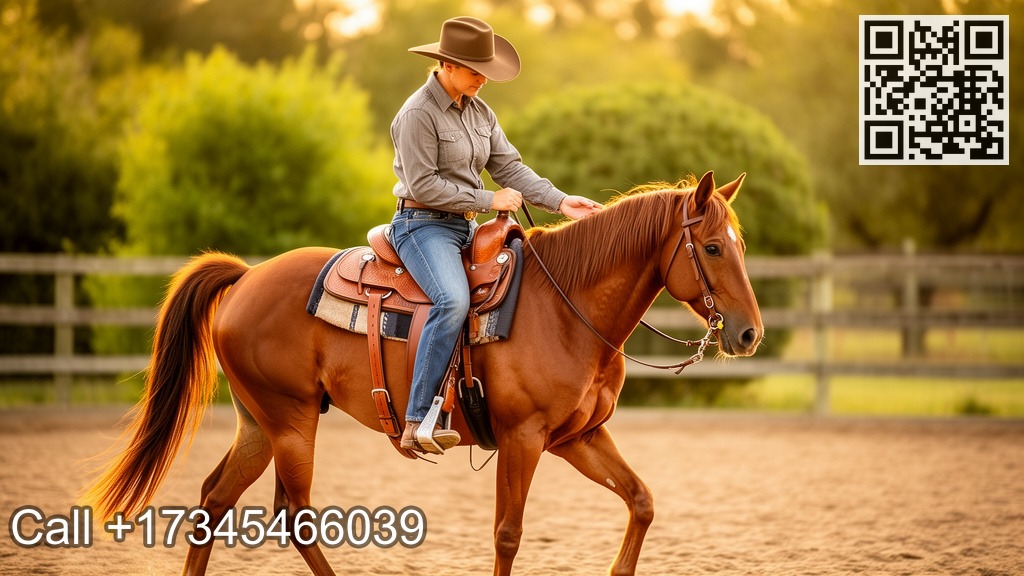
Distinctions across the area, so you can select well
The equine world utilizes lots of overlapping terms. It can assist to understand the range before you select a program.
Equine-assisted tasks are usually nonclinical experiences concentrated on skill building, entertainment, or education and learning. Believe adjusted riding shown by a qualified teacher, or ground-based learning workouts for class. They are structured, helpful, and goal oriented, yet they are not psychotherapy.
Therapeutic horsemanship is a more comprehensive umbrella that includes adapted riding, groundwork direction for individuals with diverse capacities, and occasionally health cares without scientific diagnosis. In this space, teachers often carry PATH Intl. Licensed Restorative Riding Teacher or associated credentials. The focus is on risk-free, effective horsemanship abilities that double as physical, sensory, or emotional support.
Equine-assisted solutions is the term numerous professional associations now utilize as a cumulative descriptor for treatment solutions, education, and horsemanship programs that entail equines. Within this, equine-assisted mentoring and equine-facilitated training refer to personal or professional development with a train, not a psychotherapist. Equine-facilitated health generally suggests a whole-person approach that might blend coaching, mindfulness, and somatic methods, once again without detecting or treating psychological illness.
If you seek scientific treatment for trauma, anxiety problems, depression, or attachment injuries, look for an equine therapist who is accredited in your territory and trained in techniques like EMDR, somatic experiencing, or trauma-informed CBT, partnered with a skilled equine specialist. If you want leadership development, interaction practice, or stress management abilities, a well qualified equine-assisted training company can be a great fit.
A basic barn workout you can attempt with guidance
Use this series just with a qualified professional and a tranquility, suitably chosen steed. The goal is to practice co-regulation, not to confirm bravery.
Stand outside the steed's individual bubble, about an arm's length from shoulder or withers, and place both feet uniformly in the ground. Notification your breath without altering it. Orient your head slowly to the left, after that right, after that let your eyes find the equine's shoulder. Call 3 details in the atmosphere quietly to yourself. Lengthen your exhale by one count, then allow your tummy soften. Do not stare at the horse, just allow outer understanding. Expect any kind of signals from the horse, like a lick and chew, a tail swish that settles, or a head drop. Step half an action closer and see if the horse adjusts. If the steed enter you, go back to reestablish a secure bubble. If the equine actions away, time out and soften your position. Match the steed's tranquility as opposed to chasing. End with gratitude, which is a somatic state as much as an idea. Rub your own arms or the halter knot, or comb the horse once if welcomed. Walk away slowly, examining that your breath remains soft.That sequence seems basic on paper, yet it discloses volumes. Some clients notice they can not lengthen the exhale without feeling choked. Others uncover they can match the steed's tranquility for ten seconds, after that need to move. Every one of that is good data. We titrate the dosage of activation and settling, equally as a physical therapist would certainly with a brand-new exercise plan.
How frequently to attend, and what changes to expect
Frequency depends on objectives and spending plan. For severe stress or very early trauma recuperation, regular sessions over 8 to 12 weeks allow for nervous system learning that sticks. For management teams or pairs, month-to-month or quarterly intensives can be potent, specifically coupled with between-session technique. For family members looking for developing support, a period of riding or groundwork one or two times a week straightens well with school calendars.
Changes often start subtly. Customers report resting a lot more deeply after sessions, or noticing they can take a complete breath throughout a difficult meeting. Over a couple of months, I see gait patterns shift. People land even more through the heel, knees unlock, arms swing in rhythm. Speech softens, then enhances in the best minutes. With kids, teachers talk about improved changes between courses. These are markers of improved policy. The goal is not to end up being perpetually tranquil, that is not reasonable or healthy and balanced. The objective is flexible regulation, the ability to activate when needed, then go back to rest.
Practical warns and edge situations I have actually learned the hard way
Weather issues. Windy days flood sectors with stimuli. For clients who surprise easily, we pick quieter times or interior areas. Some horses get more vigilant when birds remove from the rafters. That can be instructional, yet frustrating if the client's baseline is fragile.
Herd characteristics matter. A steed that is reduced in the position might really feel stress when a higher ranking horse walks past. We do not intend to puzzle herd stress with human comments. Whenever feasible, we set sessions where 1 or 2 suitable equines exist, not the complete herd milling around.
Language issues. Well implying expressions like he is checking you misread what is typically complication or a mismatch in power. I prefer language that tracks evident facts. The steed quit when you held your breath. When you breathed out, he took a step. That keeps the learning certain and much less personal.
Not every person likes equines, and that is fine. Some individuals feel unpleasant near huge animals regardless of just how gentle. I never ever attempt to encourage. If the nerve system is adamantly opposed, there are various other somatic courses. That stated, even people that show up just gently interested frequently get hooked by the honesty steeds use. You can not fake it with a gelding who senses your heart price from twenty feet away.
How to pick a trustworthy program
Use this brief checklist to review providers.
- Clear range, with written distinction between therapy, coaching, and activities Relevant qualifications, such as licensed mental health experts and identified equine certifications Horse welfare plans that include choice, rest, and ideal workload Safety methods, including helmets for mounted job, emergency situation strategies, and notified consent A facility that feels calmness, clean, and arranged, not expensive however professional
Ask to view a session, also from a range, and minimize interruption. Notice the horses. Are they sleeping between sessions, or grinding teeth and pacing fencings. A managed herd instructs guideline better than any script.
Costs, accessibility, and creative alternatives
Cost differs widely by region and credentialing. In my location, nonclinical equine-facilitated training sessions range from 90 to 180 bucks for an hour, while psychotherapy with equines runs greater due to medical invoicing and additional staffing. Some nonprofits provide moving scales or scholarships. For family members, team sessions can decrease each expense and add social learning. For business group structure with equines, costs mirror group dimension, custom-made layout, and center service. It is common to see half day programs priced in the low to mid four numbers, and full days higher.
Access can be an obstacle. Not everybody lives near a top quality barn. When traveling is hard, I work with customers to build barn to home bridges. For example, we record the noise of a precious gelding eating hay, after that utilize it throughout home breath technique. We photo a basing area in the arena, after that set a similar corner at home with a chair, a textured mat, and a favored scent like saddle soap. These signs assist the nervous system go back to a state discovered with the horse.
The quiet the body remembers
Most of the developments I witness are little, yet decisive. A daddy pauses before snapping at a kid, hears the resemble of hoofbeats in the arena, and picks a softer tone. A registered nurse on graveyard shift rolls her shoulders three times prior to charting, like she practiced while leading a horse with posts. A teenager who used to lack class walks down the aisle between hay bales, brushing her fingers along the twine, and remains for the full session.
Somatic recovery with equines is not magic, though it can feel like it on a greetings when the sun warms a glossy neck and the barn feline curls into the shavings. It is a certain sort of discovering, embedded in connection, enhanced by clear feedback, and anchored in the body. Steeds do not repair us. They welcome us right into coherence. When we accept, breath by breath, we discover that peaceful is not the absence of stress and anxiety, it is the self-confidence that our bodies recognize exactly how to move, how to rest, and exactly how to return.
The mare from that wintry morning is retired now. She spends her days nose deep in field turf, with a shaggy close friend that takes her hay and keeps her truthful. From time to time I bring her to the sector for a brief, slow-moving session with somebody that needs that particular brand of stable existence. She still sighs at just the right minute. People still duplicate her without understanding. The nerves still pays attention. And the barn goes quiet, not due to the fact that the world has transformed, however since because common breath, the body finally believes it is safe.